Last time updated on
Sep-15-2016
Credits!
Go to the Prog page

Ver versión en español

The Progressiweb

Already served

proggers.
|
From:
Alicante
Musicians:
(original line-up and changes between
parenthesis)
|
Cayetano Lorenzo (keys) (by Luis Ivars), Alfonso Linares "Lino" (drums), Juanjo
Guijarro (bass), Gino Pavone (percussion), Pedro Giménez (guitar), and
Víctor Carratalá (vocals and moog).
|
|
|
Discography:
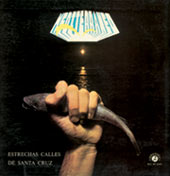
Estrechas Calles de Santa Cruz
(1978)
|
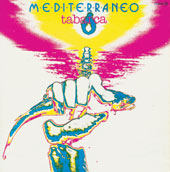
Tabarca
(1979)
|
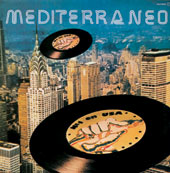
Número 1 en USA
(1980)
|
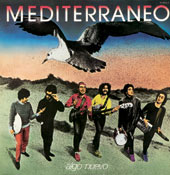
Algo Nuevo
(1981)
|
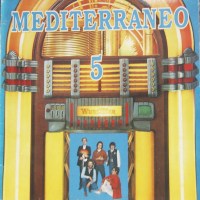
5
(1985)
|
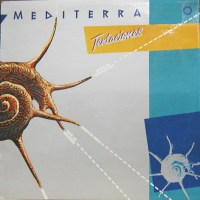
Tentaciones
(1986) |
Singles:
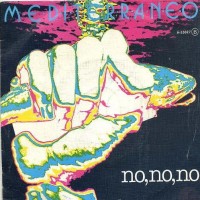
No, No, No / Altea
(1979) |
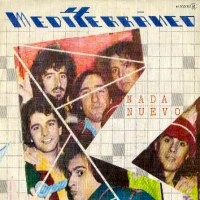
Nada Nuevo / El Auto de la Marcha
(1980) |
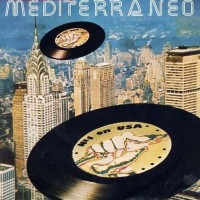
No. 1 en USA / Pido la Palabra
(1980) |
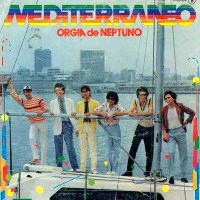
Orgía de Neptuno / Talón sin Fondosr
(1981) |
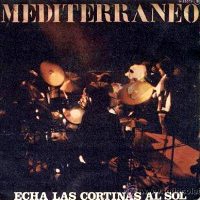
Echa las Cortinas al Sol / Conozco un Juego
(1982) |
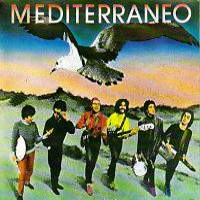
Arrabal / Mi Amigo
(1982) |
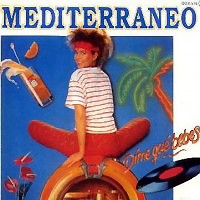
Dime qué Bebes / Elegante Profesión
(1985) |
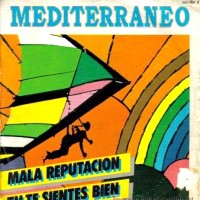
Mala Reputación / Tú te Sientes Bien
(1985) |
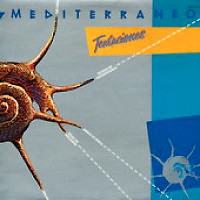
Tentaciones / Deja de Besarme
(1986) |
Web page:
Link
Opinions and other informations:
|
|
Mediterráneo was a group from Alicante that suffered a
curious evolution along their history. They published 5 albums and some,
few EPs. The first one ("Estrechas Calles de Santa Cruz") is clearly in
the vein of the symphonic ambience of the seventies, although with calm
songs, latin harmness, without heavy sounds, and a sound very "jazzy"
of most of the spanish bands of the moment. The second one
("Tabarca") is probably their best one, since they are more mature and
have found their distinctive sound. The album still have interesting
tracks, with a mix of prog with latin and jazzy flavors, but it already permits to make out that the tendency of the group was to evolve toward more easy-listening and commercial sounds. This album gave
them some national hits (like "No, no, no" and "Nada Nuevo") and
guide them toward a third release ("Número 1 en USA"), without anything slightly looking like progressive, just food for the FMs. In short,
a pity of seeing good mussicians pressured by the necessity (or the
desires) of earning money instead of the freedom of *making* their
music. José Manuel Iñesta
|
|
|
|
 The Spanish Progressive Rock Encyclopedia
![[sorry]](/img/ar12.jpg) dlsi.ua.es
and the entry will be updated. Thanks for your collaboration!
dlsi.ua.es
and the entry will be updated. Thanks for your collaboration!